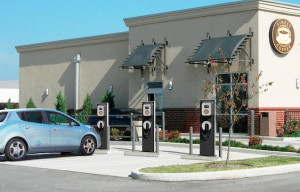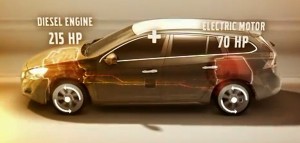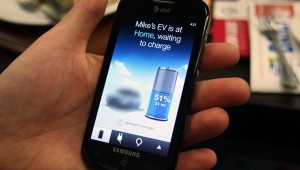
Seven auto manufacturers have signed an agreement to collaborate on a harmonized electric vehicle fast charging solution in the United States and Europe, which includes Audi, BMW, Daimler, Ford, General Motors, Porsche and Volkswagen. Besides being good for customers, the auto industry and makers of car-chargers, a standard will make the job easier for manufacturers and speed up the installation of common systems in different parts of the world. All seven car companies have also agreed to use the Green PHY communication protocol from the HomePlug Powerline Alliance and the Green PHY specification is designed for smart-grid and smart-energy applications………………….
News Highlights:
- Audi, BMW, Daimler, Ford, General Motors, Porsche and Volkswagen agreed to support a harmonized single-port fast charging approach for use on electric vehicles in Europe and the United States
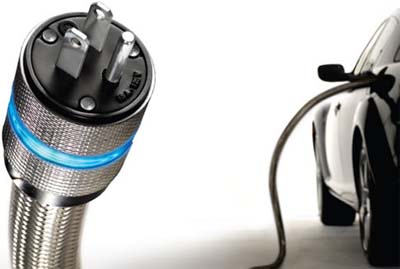
- The system is a combined charging approach that integrates all charging scenarios into one vehicle inlet/charging connector and uses identical ways for the vehicle to communicate with the charging station
- The seven auto manufacturers also agreed to use HomePlug GreenPHY as the communication protocol. This approach will facilitate integration of the electric vehicle into future smart grid applications
- Agreeing upon a single, harmonized DC fast charging system, we believe will help infrastructure planning, reduce vehicle complexity and improve the ownership experience for electric vehicle customers
Recognizing the importance of a single international approach for DC fast charging, Audi, BMW, Daimler, Ford, General Motors, Porsche and Volkswagen have agreed on the combined charging system as an international standardized approach to charge electric vehicles (EV) in Europe and the United States. The system is a combined charging approach integrating all charging scenarios into one vehicle inlet/charging connector and uses identical ways for the vehicle to communicate with the charging station. This allows electric vehicles from Audi, BMW, Daimler, Ford, General Motors, Porsche and Volkswagen can share the same fast charging stations. The seven auto manufacturers believe the development of a common charging approach is good for customers, the industry and charging infrastructure providers. Standardization will reduce build complexity for manufacturers, accelerate the installation of common systems internationally and most importantly, improve the ownership experience for EV drivers. The endorsement of the combined charging system was based on reviews and analysis of existing charging strategies, the ergonomics of the connector and the preferences of customers in both the United States and Europe. The harmonized approach – across both continents and all manufacturers – will provide a framework for future infrastructure planning as well as a communication protocol to assist in the integration of electric vehicles into the smart grids. The seven auto manufacturers also agreed to use HomePlug Green Phy as the communication protocol. This approach will also facilitate integration of the electric vehicle into future smart grid applications. Automakers point to the success of Level 1 and Level 2 (for 220V charging in the U.S.) as an example of how standardization will increase the adoption of electric vehicles and increase customer satisfaction. The harmonized electric vehicle charging solution is backward compatible with the J1772 connector standard in the U.S. Backward compatibility also has been achieved in Europe where the system is based on the IEC 62196 Type 2. The approval of the J1772 standard has given electric vehicle owners the comfort of knowing they can charge at all Level 2 charging stations. Prior to standardization an EV owner had no way of knowing if the charge port they were pulling up to was compatible with their vehicle.
[ttjad keyword=”auto”]