
Windows XP finally dips below 50 per cent mark and has been slowly losing momentum duringeach month since Windows 7’s release. The aging OS has been shedding market share each month over the past few years, touching 62 percent a year ago and 51 percent in June before its latest dip in July. Microsoft said it will cut support for Windows XP in another three years and they are trying to persuade users to switch to Windows 7 before then…………..

Windows XP market share has dipped below 50 percent, as the warhorse OS shows signs of starting to give way to Windows 7. Based on the latest Net Applications analysis, that certainly seems the trend: Microsoft’s aging warhorse now occupies some 49.69 percent of the operating system market, a slight tumble from majority status that nonetheless sparked a mighty buzz among tech publications and pundits. Meanwhile, the research firm places Windows 7 market share at 27.92 percent, Windows Vista at 9.27 percent and Mac OS X 10.6 at 3.76 percent. Those stats are somewhat mirrored by StatCounter, which gives Windows XP some 44.4 percent of the market, followed by Windows 7 with 35.94 percent, Windows Vista with 11.02 percent and Mac OS X with 6.31 percent. Microsoft wants businesses and consumers to give up XP in the worst way. But after a decade in the wild, the operating system is stable and patched, with an interface and applications familiar to virtually anyone who works with computers on a daily basis. Moreover, a relatively anemic economy means less cash for businesses and consumers to spend on hardware and software upgrades, meaning more aging desktops and laptops running XP.
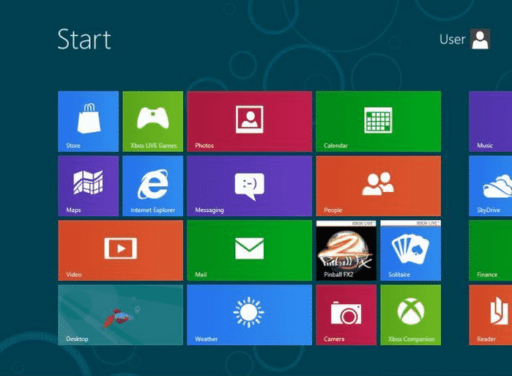
Microsoft Download Center even offers a Windows XP End Of Support Countdown Gadget, which ticks off the days until the operating system’s official support ends in 2014. The company’s latest browser, Internet Explorer 9, won’t run on XP. What’s perhaps more troublesome to Microsoft than a couple million XP holdouts, though, is a newfound softness in Windows revenue. For its recently ended fourth fiscal quarter, Microsoft reported a 1 percent decline in revenue for its Windows and Windows Live Division. During a July 21 earnings call, executives attributed this dip to softening PC sales, but given Windows’ place as a revenue driver, any decline is possibly disconcerting. Microsoft depends on traditional desktop software to yield the substantial revenue it needs until newer initiatives, including cloud offerings such as Office 365, begin enjoying significant sales. Windows 7 has sold some 400 million licenses since its October 2009 release. Microsoft has similarly high hopes for the next version of its popular operating system, internally code-named Windows 8. In place of the desktop and taskbar that defined so many previous Windows releases, this newest version will rely on color tiles designed to be equally tablet- and PC-friendly.
[ttjad keyword=”microsoft”]

All Keygen Product Key Office windows 7 CS5 NOD32 KASPERKSY etc etc…
http://officekey.blogspot.com/