
Square, the well-funded startup that found itself on the winning end of a pissing context with VeriFone last month, because it refused to encrypt mobile payment transactions has now reversed course and embraced such encryption and Visa had made an unspecified investment in Square.The current reader theoretically scans credit card data to any app, but the encrypted version will only work with Square, which should alleviate VeriFone’s concern that the company was essentially distributing card skimmers to anyone with a social security number and the new encrypted reader will remain free…………..
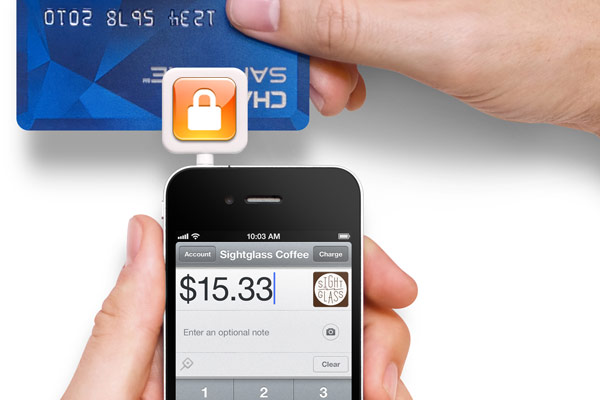
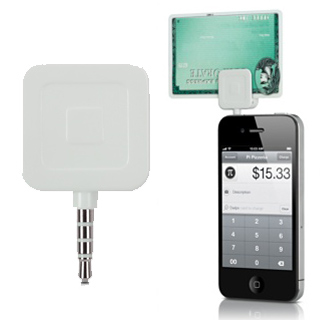
Apple is now selling mobile payments startup Square‘s credit card reader unit via the online Apple Store, casting further doubt on the computing giant’s plans to integrate Near Field Communications-based payment technologies into future iterations of its iPhone.The brainchild of Twitter co-founder Jack Dorsey, Square enables users to accept credit and debit card purchases anywhere and anytime via iPhone, iPad or Android smartphone. Sellers input the transaction total, swipe the consumer’s card through a small dongle that plugs into the device’s audio input jack and Square handles the remainder of the transaction, claiming a flat 2.75 percent fee. Square first launched in late 2009 and currently processes more than $1 million in transactions each day–in addition, more than 100,000 merchants nationwide sign up with Square each month. The Square reader now for sale via the Apple Store is priced at $9.95 per unit, although all accounts receive $10 instantly upon activation–TechCrunch reports Apple will also offer the Square reader in its U.S. brick and mortar stores beginning this week.
Apple‘s decision to embrace Square further calls into question the company’s commitment to NFC-based contactless payment technologies. Last month, The Independent reported Apple has told executives at several U.K. mobile operators that it will not embed NFC technology into the forthcoming iPhone 5, citing apprehension over the absence of clearly defined industry standards. It is believed that Apple engineers continue to work on an NFC solution, however earlier this year, Bloomberg reported that the computing giant’s mobile wallet efforts likely will leverage Apple customer information already on file, e.g., credit card account numbers, iTunes gift card balances and bank data.At present, Apple pays credit card processing fees on all iTunes and App Store purchases by introducing payment services that directly tap customer bank accounts (à la PayPal), Apple could reduce its own costs and enable its partners to trim their prices of their respective products and services. Apple also faces pressure to keep pace with its rivals: In February, Google issued Android 2.3.3, adding new proximity-based Near Field Communications capabilities including an NFC reader/writer API and Research In Motion co-CEO Jim Balsillie has promised the majority of new BlackBerry devices shipping in the coming months will integrate NFC technologies, enabling support for mobile payment solutions and other location-specific services. Moreover, Isis–the nationwide mobile commerce network announced late last year by partners Verizon Wireless, AT&T and T-Mobile USA–will roll out a Salt Lake City pilot program in early-to-mid-2012.
[ttjad keyword=”iphone”]
I own a two-man company whewrein my tech in the field needs to receive payments all the time. Instead of his collecting checks all the time, having to get them to me (we live 75 miles apart), me depositing them and then paying him, now he just uses the new saquasre card reader on his smartphone. The funds are in my acct that day or the next at the latest, and he gets paid right away. Either download the app and have them mail the reader for free (which plugs into the earbud jack), or buy one at target or wal-mart and there’s a $10 rebate to run as your first proud transaction. Sturdy, lightweight, small, and easy to use softwarre make this the winner for technology for me this year. Cool as can be…