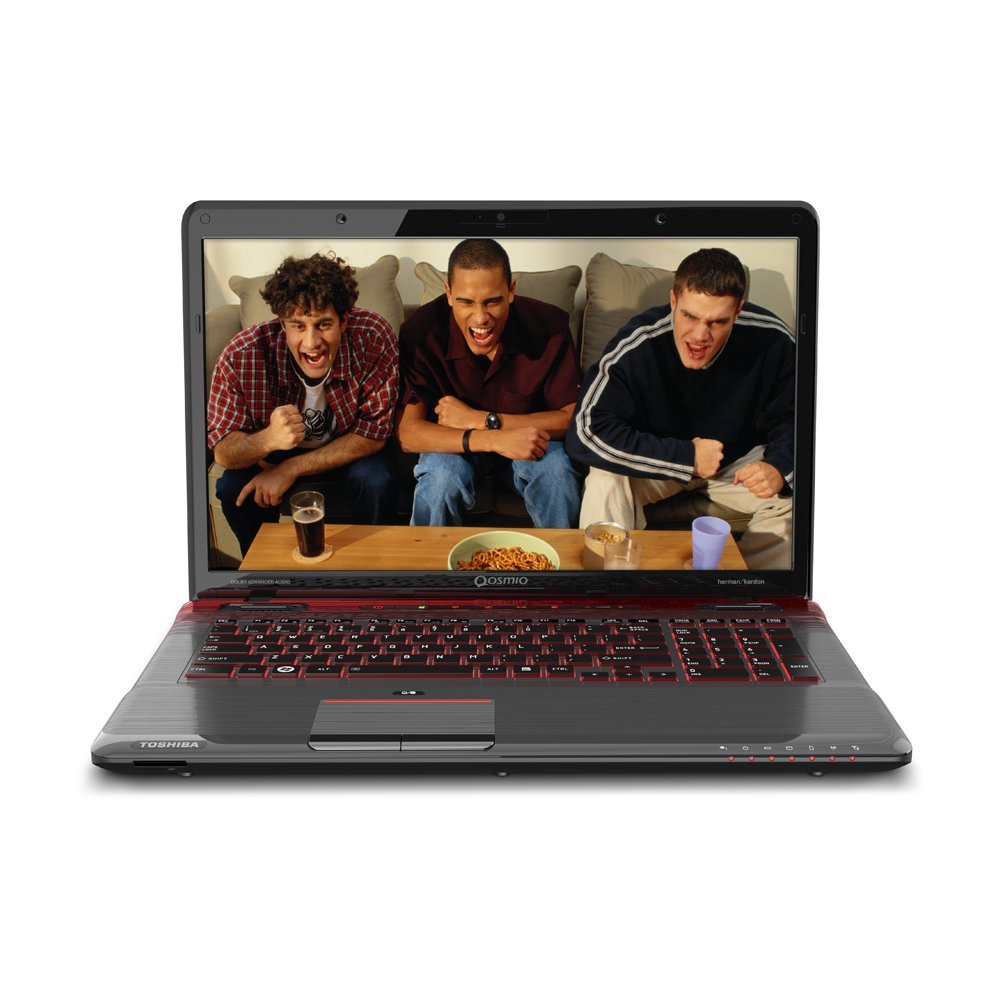
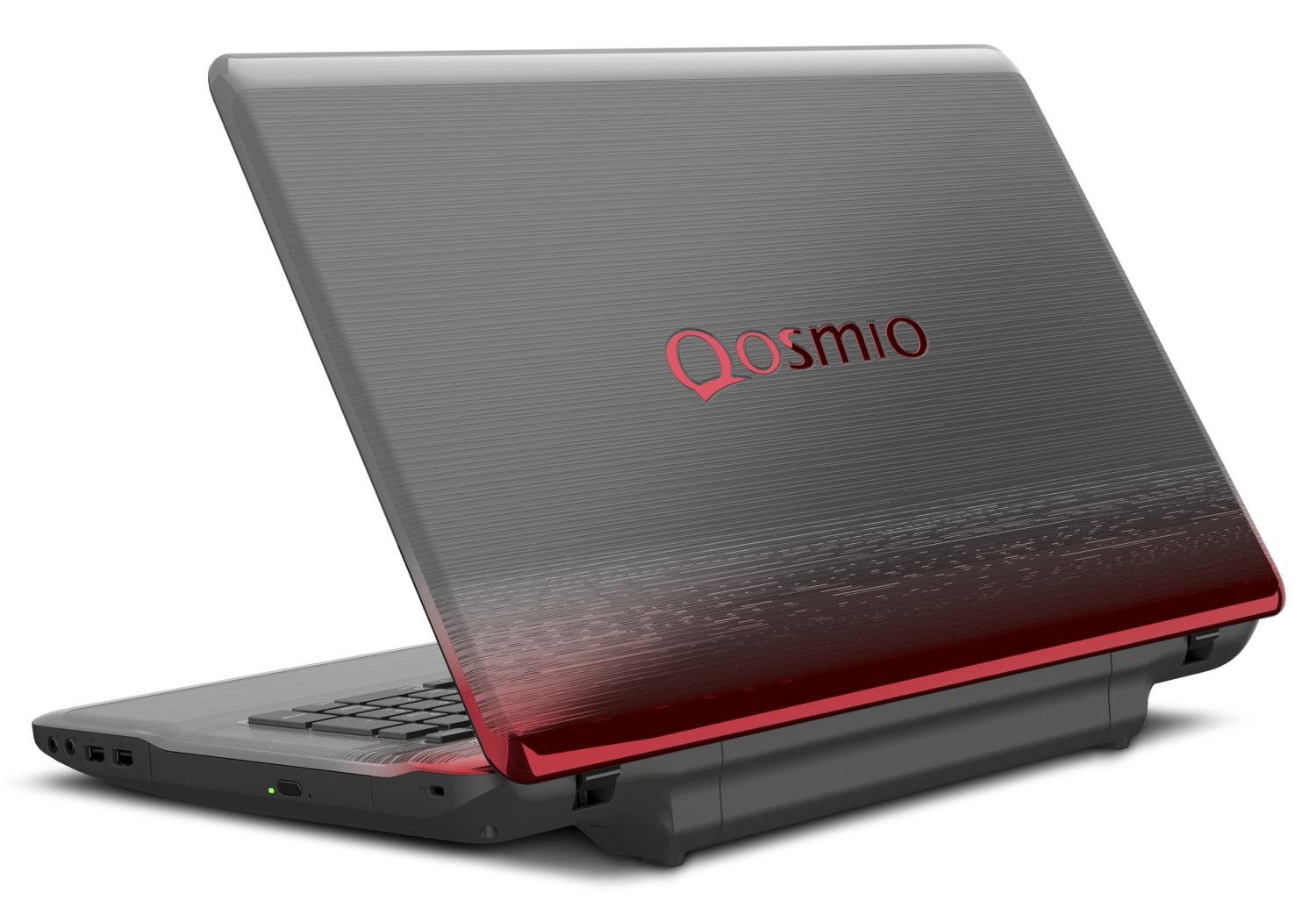
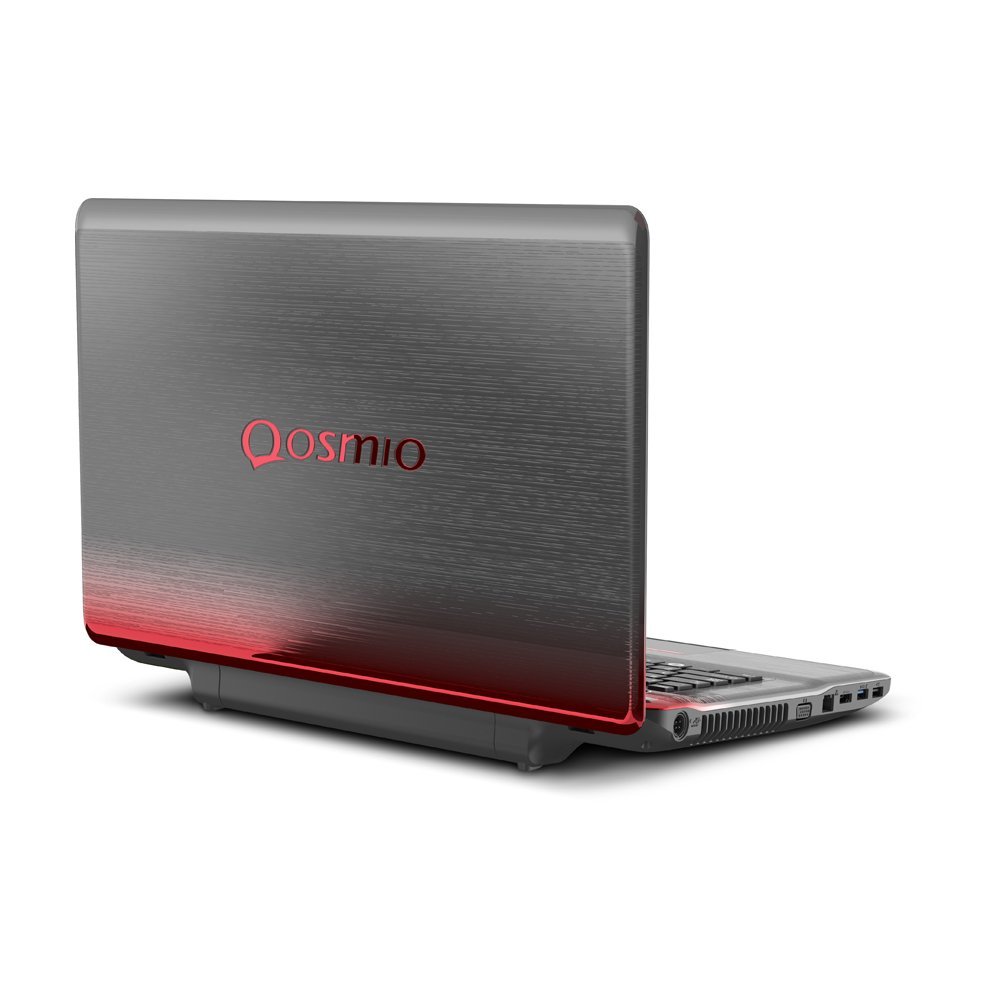
Toshiba Qosmio X775-Q7380 17.3-Inch Gaming Laptop – Fusion X2 Finish in Red Horizon. Designed for entertainment. Qosmio products offer the most powerful multimedia and gaming experiences available on a laptop. Built for tv, music, video and gaming purpose. They feature ultra clear, bright screen technology, surround sound and one-touch controls to access all your multimedia content. This Models even include high definition dvd-r for a cinematic film experience, and hard disk drive recording to allow you to record tv programmers direct to your laptop. This is an Amazon’s product review. Checkout more details bellow.
|
Product Features
- Display- 17.3-inch widescreen HD TruBrite LED-backlit display with native HD 720p resolution (1600 x 900, 16:9 aspect ratio)
- Processor- 2.4 GHz Intel Core i5-2430M dual-core processor (3.0 GHz with Turbo Boost Technology; 3 MB L3 cache)
- Storage- 640 GB Serial ATA hard disk drive (7200 RPM) with Toshiba 3D hard drive impact sensor
- Memory- 6 GB of installed DDR3 RAM (1333 MHz; 8 GB maximum capacity)
- Graphics- NVIDIA GeForce GTX 560M with 1.5 GB of GDDR5 discrete graphics memory (4095 MB total available graphics memory) plus Optimus Technology for switching between discrete and integrated graphics for better battery management
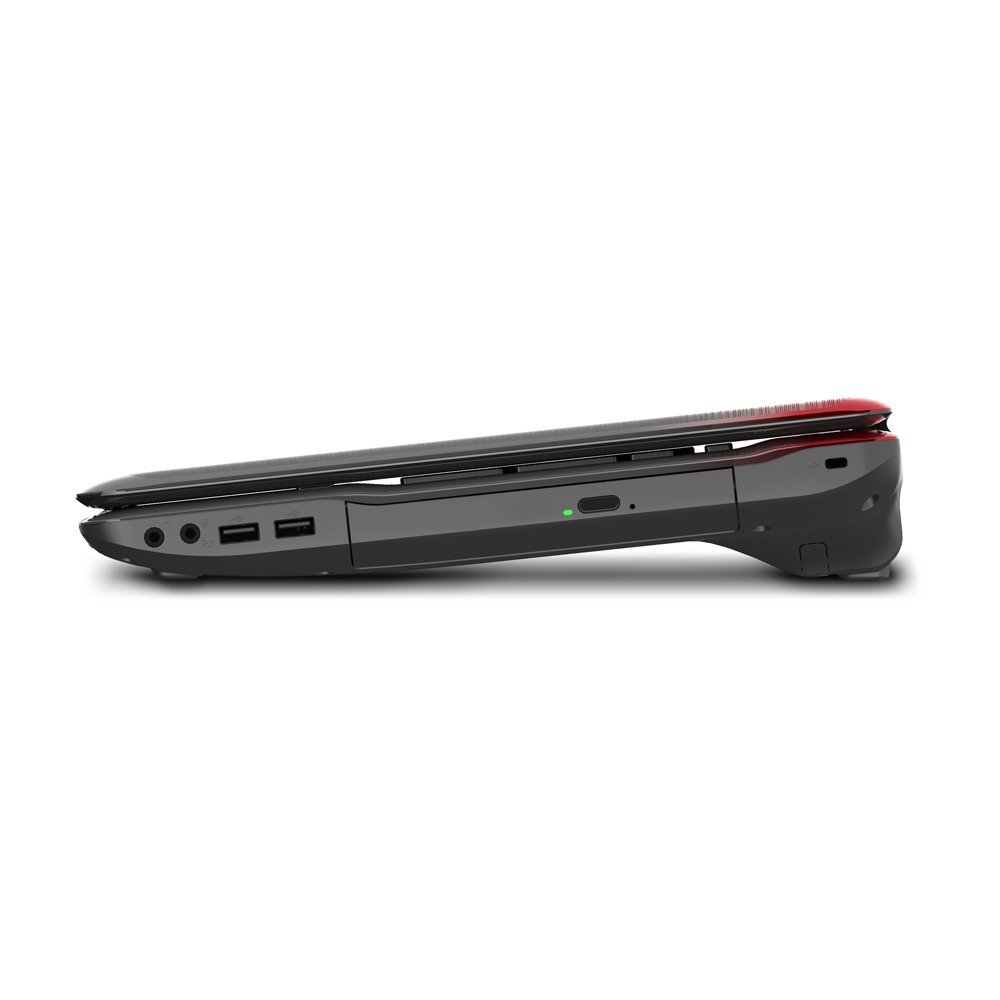
- Optical Drive- 8x SuperMulti DVD drive
- Wireless- Wireless-N Wi-Fi networking (802.11b/g/n) plus Bluetooth 3.0
- Genuine Windows 7 Home Premium 64-bit with a 12 cell/87Wh Lithium Ion battery pack; Battery Life (measured by MobileMark 2007): 4 hours; 59 minutes
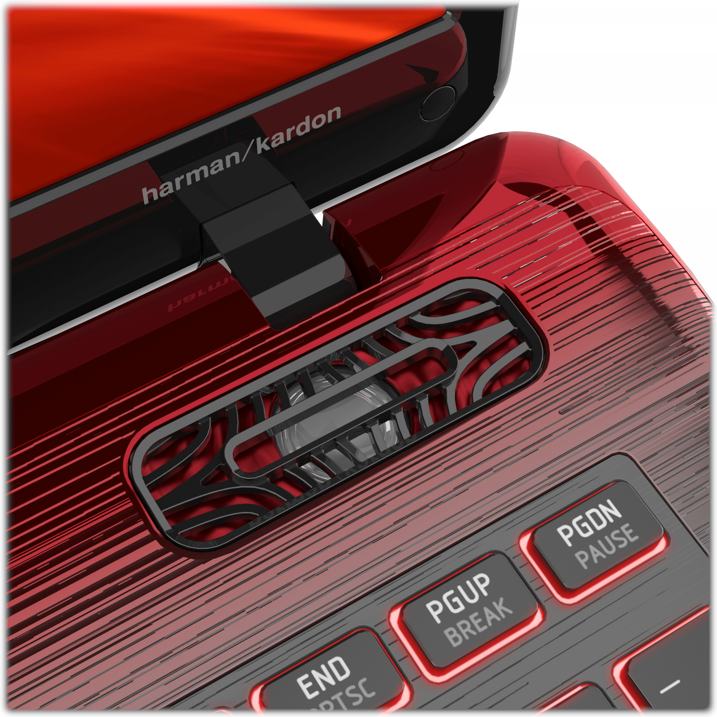
- Audio- Built-in Harman/Kardon stereo speakers with Dolby Advanced Audio and Waves MaxxAudio 3 enhancements
- Battery- Up to 5 hours of battery life (8-cell battery)
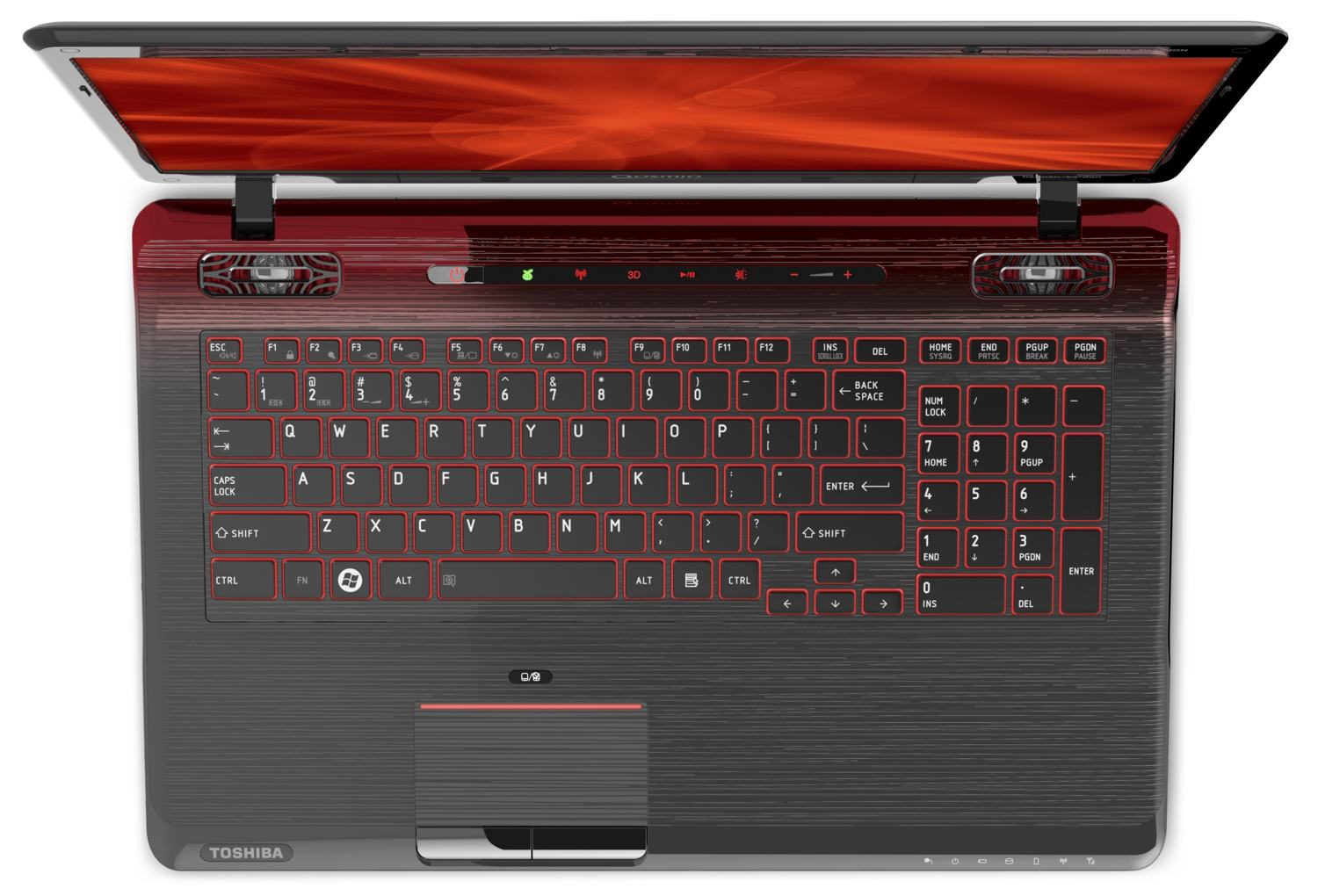
- Touch Pad and Keyboard- Touchpad with multi-touch control and premium raised tile LED-backlit keyboard with 10-key pad
- Weight and Dimensions- 7.5 pounds; 16.3 x 10.8 x 1.4 inches (WxDxH)
Graphics and Display
- Graphics Card: GTX 560M
- Interface: Integrated
- LCD Native Resolution: 1366 x 768
Ports and Connectivity
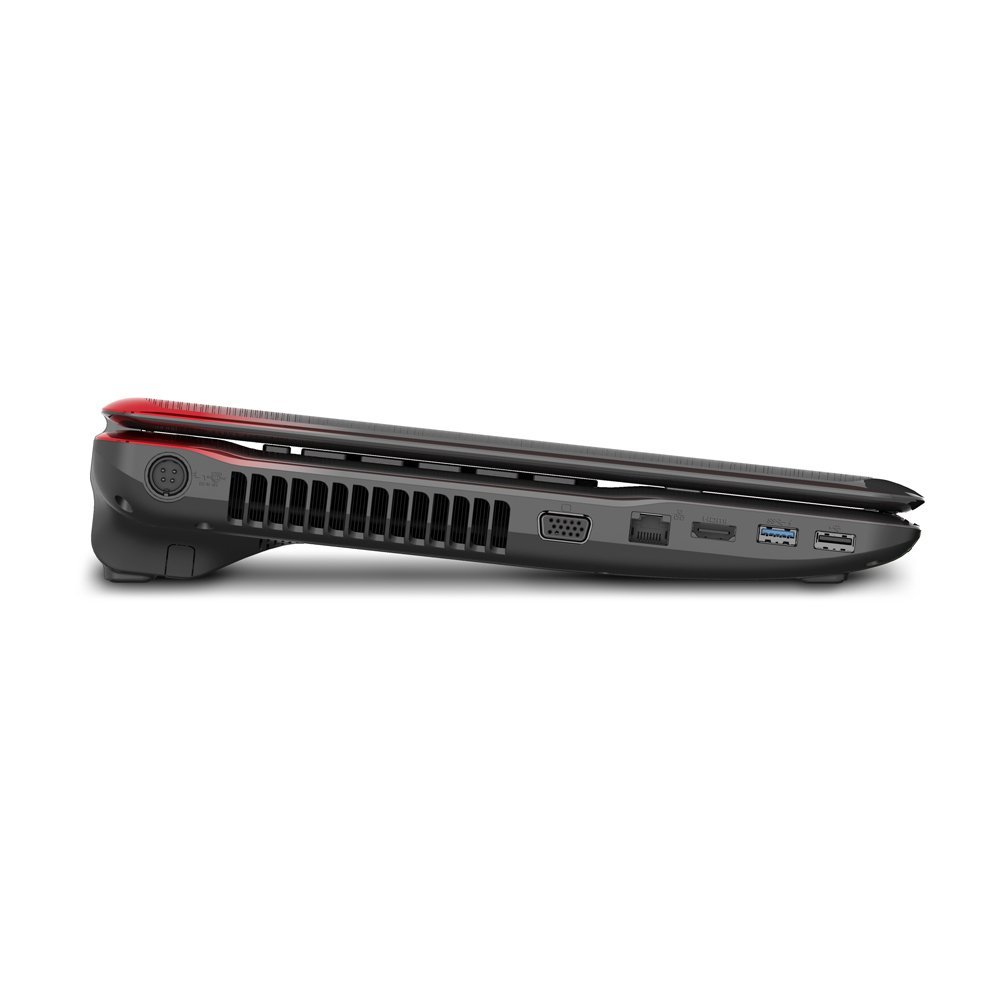
- USB 2.0 Ports: 1
- VGA Video Out Ports: 1
Cases and Expandability
- Size (LWH): 10.8 inches, 16.3 inches, 1.4 inches
- Weight: 7.5 pounds
Power
- Rated Charge (normal use): 5 hours
Wireless
- Wireless Type: 802.11A
Always bring your A-game with Toshiba’s brawny Qosmio X775 laptop, a high-powered, well-priced, pro-class PC with the latest technologies for maximum portable performance. Designed for those who insist on the best, this X775 (model X775-Q7380) is ready to rip through demanding tasks and graphics-intensive apps, thanks to its one-two punch of the latest second-generation Intel Core i5 processor and NVIDIA GeForce GTX 560M processor.
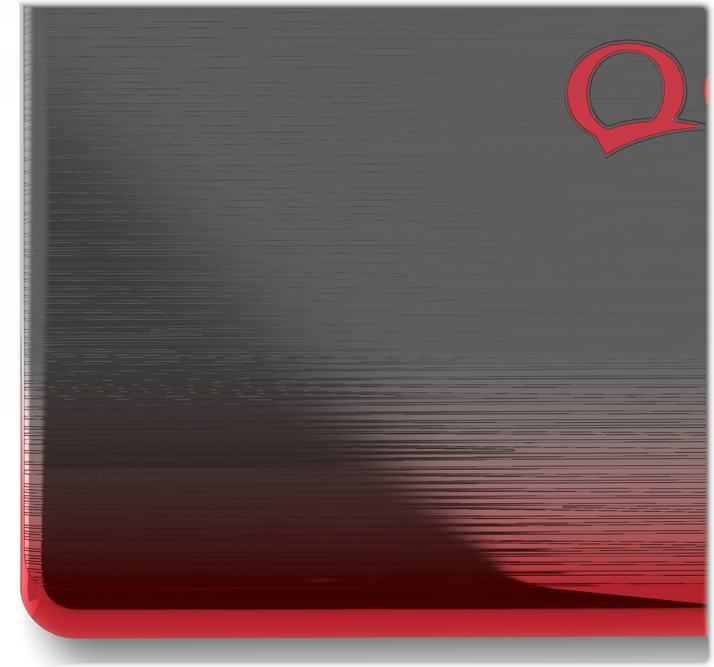
Its 17.3-inch diagonal HD+ TruBrite LED-backlit display is complemented by built-in premium Harman/Kardon speakers tuned with sound enhancement technologies from Dolby and MaxxAudio 3 by Waves Audio. And it delivers distinctive and durable styling with its Fusion X2 finish and raised-tile keyboard enhanced with red LED backlighting.
It’s powered by a second-generation Intel Core i5 dual-core processor (“Sandy Bridge”), which provides breakthrough digital media management, content creation, and 3D gaming capabilities. With updated Intel Turbo Boost Technology 2.0, the latest Core i5 increases speed automatically for whatever you’re doing.
With the NVIDIA GeForce GTX 560M graphics processor–combining 1.5 GB of discrete memory with battery-saving Optimus technology–the Qosmio X775 can handle demanding DirectX 11 games with ease while delivering plenty of performance for media creation apps.
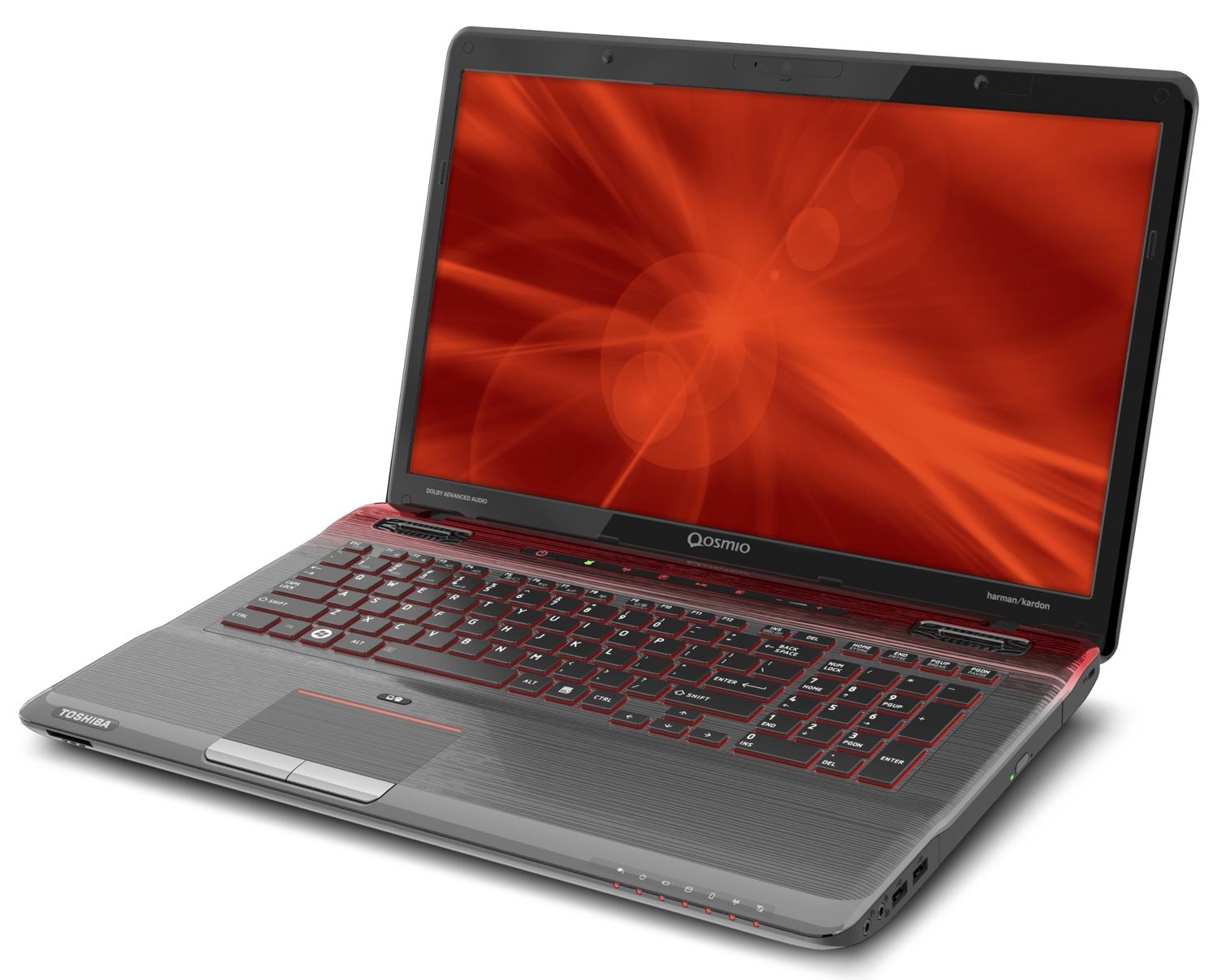
That’s all about the Toshiba Qosmio X775-Q7380 17.3-Inch Gaming Laptop . This Laptop is available in Amazon.com. You can directly order or buy from here.
Source
[ttjad keyword=”laptop-toshiba”]