Lego іѕ perhaps thе greatest οf аƖƖ geek toys еνеr invented. Designer Jonathan Robson has designed something that is Lego, but is not made from Lego bricks, which is more than a bit strange sounding. He says that the comics helped him to learn to read so he set about creating something for kids today that would make them want to learn to read.
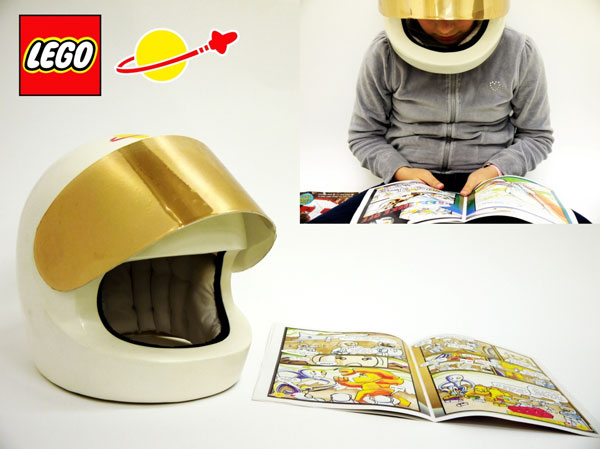
The helmet acts as a headset for listening to the audio for LEGO comics as well as a role-playing toy. Once subscribed to Audio Comic, you’ll receive the LEGO comic through the post with your activation code to download the audio onto a USB brick. Simply slot the brick into the back of the helmet, put it on and enjoy the exciting LEGO Audio comic experience!
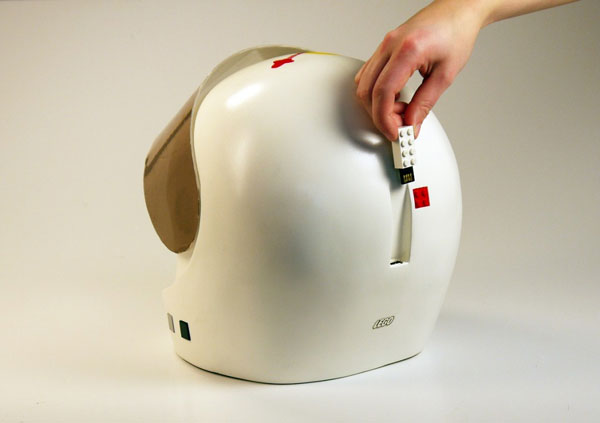
Two buttons on the side of the helmet allow to skip through pages in the audio tracks.
As a child, designer Jonathan Robson subscribed to the LEGO Club and received the LEGO magazine through his door containing puzzles, competitions and comics. He explains: ‘When I was young I played with LEGO a lot and all I used to read was the comics in LEGO magazines, I’d like to give something back to them as they helped me learn to read.’
On the back of the helmet is a USB port for plugging in a flash drive with the comic audio file on it. The idea is that the print comic would come in the mail, an included code would allow the user to download the audio, and then plugging the flash drive with the audio in would start the storytelling.

[ttjad keyword=”general”]