
If you are an early adopter of the Google+ social network, be careful what links you are posting on the service and your Google+ public posts being inserted into social search results. Google has started to intertwine public posts made on Google+ with search results and when a user is signed into any Google service and performs a search, they will see annotations about links shared on Google+ from their friends and connections of friends…………
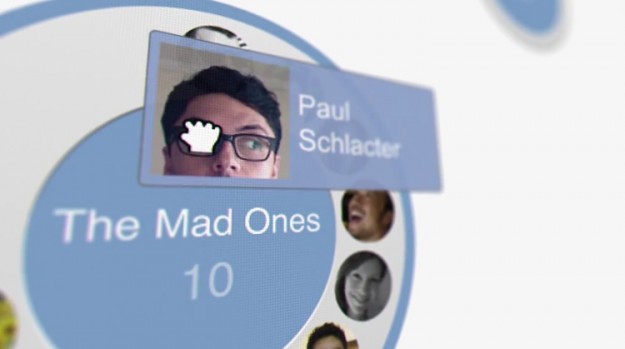
Google will start to populate individual users’ search results with posts that have been shared publicly by their connections on Google+ and the move is another sign that our social networking statuses are seeping into all other areas of the web. The feature is actually pretty useful if you’re looking for relevant results and this is an obvious and expected step, since Google already annotates results with results from shared social posts on services like Twitter and LinkedIn. It’s also a smart move as Google continues to try to siphon users away from Facebook and other services. Google also is besting Microsoft’s Bing by incorporating social into search. As Google writes on its Inside Search blog, if you’re signed into your Google Account, your search results may start including annotations about those links being shared publicly by people you are friends with (or at least connected to) on Google+. Google is careful to emphasize, however, that only public posts are visible in the search results. When you log into your Google Account and search for Uncle Zhou Queens in Google, you’ll see at the bottom of the relevant search results that your pal Andrew Hyatt shared that link on Google+.


ASIANS CAN ACTUALLY READ MINDS!!!!!!!!!
they can hear and see what your visually thinking
this is the dead truth
the reason alot of asians have completely expressionless faces, only associate with asians and dont associate with non asians very much is to avoid accidentally revealing that they can read read minds, if all over a billion asians were to show facial expressions all the time just as much as non asians, associate with non asians much more, and be much more friendly and talkative, then alot of them might accidentally reveal that they can read minds by accidentally showing a facial expression or dirty look when someone thinks, or visually pictures something in their mind they dont like or find astonishing or funny, and if they were all to associate with non asians alot more there would be alot more people around for them to accidentally show facial expressions when those other people think things they dont like, so they only associate with asians so there wont be anyone around for them to see that and have any accidents happen in the first place
think about it, its not normal how alot of them act, and the entire way they act is all to hide their mind reading abilities, it makes perfect sense to do all of that to hide that they can read minds, because all of that is the perfect way to do it!
every single asian on the planet is hiding their mind reading abilities, they value hiding their mind reading abilities more then their own lives!
thats why nobody knows about it!
try thinking, best yet visually picturing in your mind something something absolutely crazy as you possibly can when you are around asians, and try looking for asians who give people particular looks, especially dirty looks for what appears to be for completely no reason, that is them giving people looks when they hear and visually see someone thinking something they dont like, find funny or astonishing
it still happens despite a large number of them having completely expressionless faces all the time, it would just happen alot more if none of them had completely expressionless faces all the time, its not uncommon!
i know this sounds crazy, impossible, and completely unbelievable, BUT IT ISNT CRAZY WHEN ITS TRUE
you have to spread the message!!!
the world has to know about this!!!!