
NASA’s SpaceX Falcon 9 rocket successfully launches the first private spaceship in orbit and brings it home safe.Video of SpaceX Falcon 9 Dragon Capsule launch is uploaded in NASA and Youtube and NASA to hold a complete post-flight press conference at 3:30pm EST……
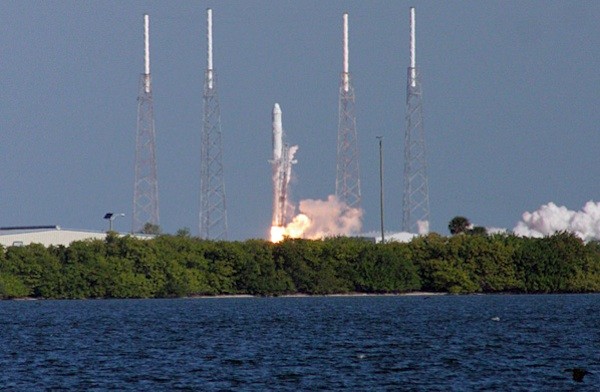
The private spaceflight industry took another giant leap forward today as privately-owned SpaceX with help from NASA, successfully launched a Falcon 9 rocket carrying its Dragon crew capsule into orbit from Kennedy Space Center in Florida. Though the crew capsule was unmanned for this maiden flight the launch marks the first time a private spaceflight company has launched a spaceship into orbit with the intention of bringing it safely back to Earth.Dragon is now in orbit where it will circle the Earth two or three times before reentering Earth’s atmosphere and if all goes well, splashing down some 500 miles off the coast of Mexico in the Pacific Ocean later today.At just after 2 p.m. EST, SpaceX’s Dragon capsule splashed down in the Pacific after successfully completing reentry maneuvers and deploying its three drag parachutes. The splashdown marks the first time a commercial entity has launched a spacecraft into orbit and successfully brought the crew capsule safely home. Congratulations to SpaceX and NASA on a historic job well done.


