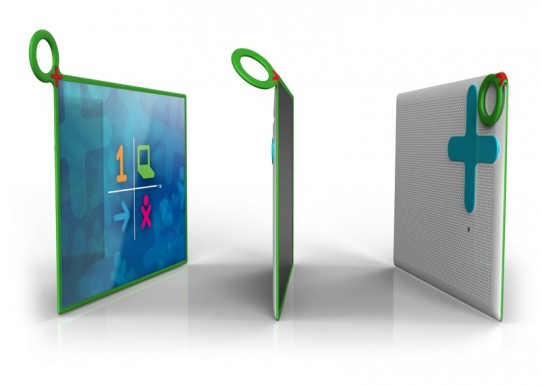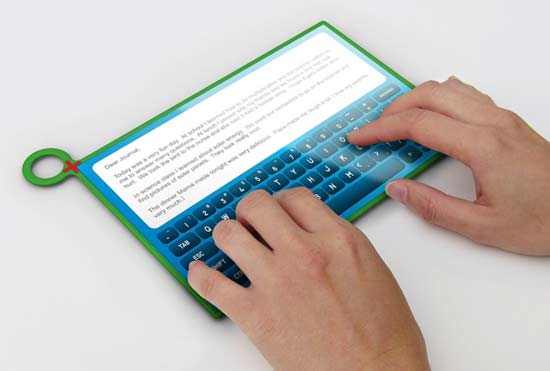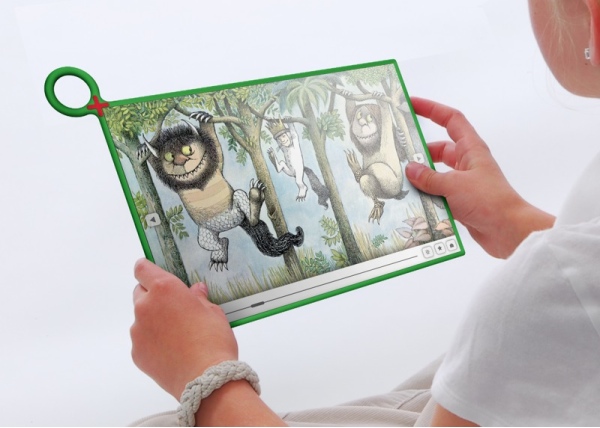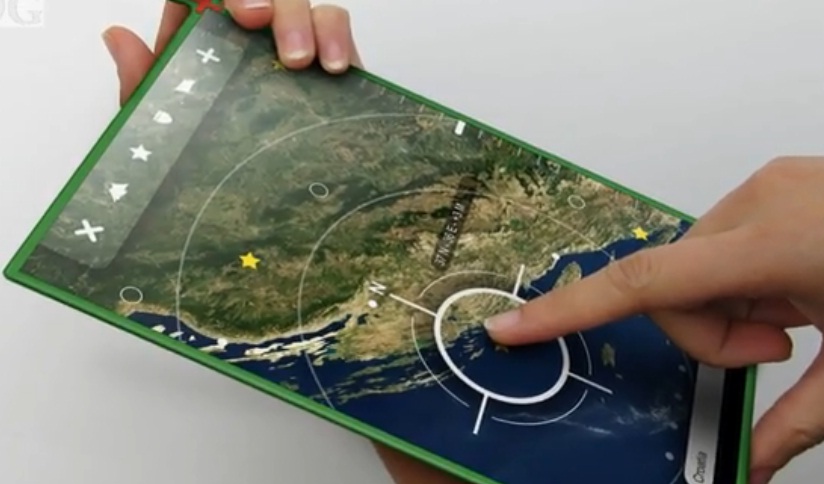
Marvell and One Laptop per Child brings XO 3.0 tablet that is ready for the CES 1012. This Tab is powered by a Marvell ARM PXA618 SoC processor. This Tablet runs with Android or Linux operating system and has the same Pixel Qi display seen in other OLPCs with Avastar Wi-Fi SO. Marvell and One Laptop per Child also announced oof releasing the XO 1.75 laptop. Over 75,000 units of the XO 1.75 have already has been ordered by OLPC projects in Uruguay and Nicaragua. The XO 1.75 is powered by Marvell ARM-based ARMADA PXA618 SOC processor. This laptop is expecting to be available shipping in March 2012 to customers. Checkout more details bellow in the press release bellow.
Press Release
Marvell and One Laptop per Child Unveil the XO 3.0 Tablet at CES
Also: The first Marvell ARMADA powered XO 1.75 laptop will begin shipping in March
to school children in Uruguay and NicaraguaSANTA CLARA, Calif. / LAS VEGAS – (Jan. 9, 2012) – Marvell (Nasdaq: MRVL), a worldwide leader in integrated silicon solutions, and One Laptop per Child, a non-profit organization whose mission is to help every child in the world gain access to a modern education, demonstrated a fully functional version of the much-anticipated XO 3.0 – a low-cost, low-power, rugged tablet computer designed for classrooms around the globe – at the 2012 International Consumer Electronics Show.
“We’re proud to introduce the XO 3.0 tablet, showcasing the design, durability and performance features that make it a natural successor for our current laptops, which have been distributed to more than 2.4 million children in 42 countries and in 25 languages,” said Edward McNierney, Chief Technology Officer of One Laptop per Child. “The XO 3.0 builds on many of the technology breakthroughs we made with the XO 1.75, including the use of the Marvell® ARMADA® PXA618 processor, resulting in a significant decrease in power consumption-a critical issue for students in the developing world.”
“Marvell is committed to improving education–and the human condition-around the world through innovative technology for Smartphones, tablets and a myriad of new cloud-delivered services. Partnering with One Laptop Per Child is one way we can deliver a revolution where it matters most-to benefit children in some of the poorest places on the planet,” said Tom Hayes, Vice President of Corporate Marketing at Marvell Semiconductor, Inc. and a member of the OLPC advisory board. “Marvell has been with One Laptop per Child from the start and we’re doing whatever it takes to help the organization realize its mission of providing meaningful educational opportunities to the 500 million school-aged children around the world.”
Marvell and One Laptop per Child also announced today that the XO 1.75 laptop will begin shipping to customers in March 2012. Over 75,000 units of the XO 1.75 have already been ordered by OLPC projects in Uruguay and Nicaragua. The XO 1.75 uses the Marvell ARM-based ARMADA PXA618 SOC processor, which compared to the earlier XO 1.5, maintains performance while using only half the power. The XO 1.75 features a sunlight-readable screen and all the other features and design characteristics of the two previous versions of the XO laptop.
The XO 3.0 tablet will also feature the Marvell ARMADA PXA618 SOC processor and Avastar Wi-Fi SOC. Other features include:
• Unique charging circuitry; the XO 3.0 is the only tablet that can be charged directly by solar panels, hand cranks and other alternative power sources
• Standard or Pixel Qi sunlight-readable display
• Android and Linux operating system support